


- HOME
- Expert Guides
- Adult Acne Treatment in Gravesend, Kent | Sculpture Clinic
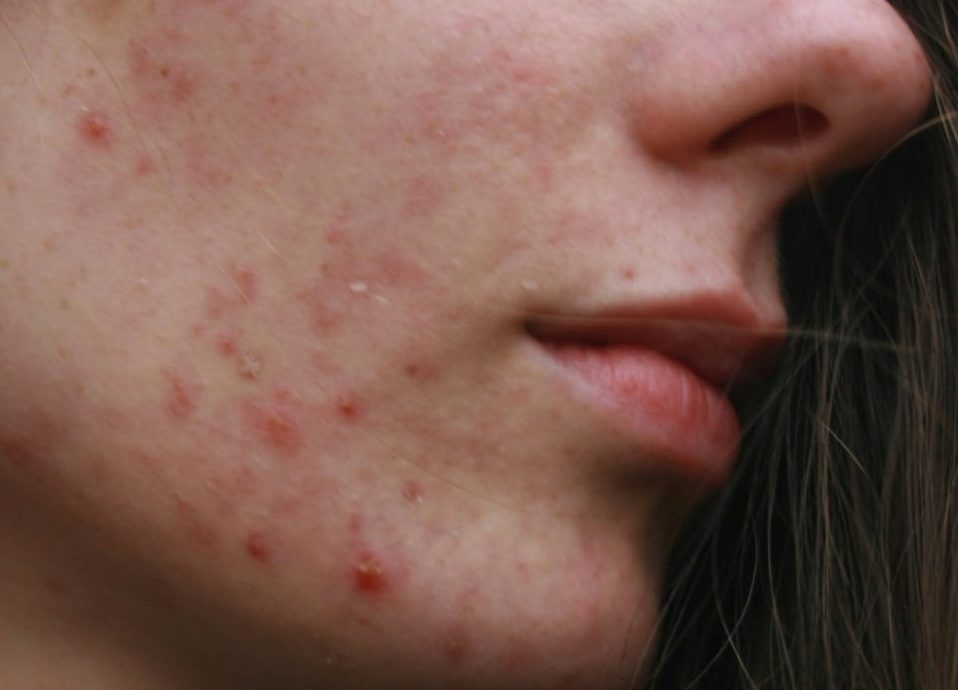
Adult Acne Treatment in Gravesend, Kent | Sculpture Clinic
Adult Acne: Why Breakouts Continue and How We Can Help
Acne is often associated with adolescence, but many adults continue to experience breakouts well into their thirties, forties and beyond.
For some people, acne never completely disappears after their teenage years. For others, it develops for the first time in adulthood.
Persistent spots can affect confidence, comfort and quality of life, particularly when they leave pigmentation or permanent scarring.
At Sculpture Clinic in Gravesend, Kent, our approach to adult acne combines clinical assessment, evidence-based treatment, appropriate skincare and personalised skin management.

Why Do Adults Develop Acne?
Acne develops when several biological processes occur within the pilosebaceous unit, the structure containing the hair follicle and sebaceous gland.
These include:
- Increased sebum production.
- Abnormal shedding of cells within the follicle.
- Follicular obstruction.
- Inflammatory responses.
- Changes involving Cutibacterium acnes.
Hormonal influences can affect sebum production, but not all adult acne is hormonal.
Genetic predisposition, certain medicines and occlusive skincare products may also contribute.
What Is Hormonal Acne?
Hormones, particularly androgens, influence sebaceous gland activity.
Some women notice acne worsening before menstruation or during periods of hormonal change.
Breakouts may occur around the chin and jawline, although their location alone does not establish a hormonal cause.
Adult acne can also occur during perimenopause.
Where acne is accompanied by irregular periods, excessive facial hair growth or other signs of androgen excess, further medical assessment may be appropriate.
Conditions such as polycystic ovary syndrome may need consideration.
Different Types of Acne Need Different Treatments
Acne is not one uniform condition.
Comedonal acne involves blackheads and whiteheads caused by blocked follicles.
Inflammatory acne produces red papules and pustules.
Nodular or cystic acne involves deeper, painful lesions and carries a greater risk of scarring.
Treatment decisions depend on severity, lesion type, distribution, previous treatment response and the risk of permanent scarring.
Why Over-the-Counter Products Sometimes Fail
Many people respond to persistent acne by using increasingly strong cleansers, scrubs and exfoliating acids.
Unfortunately, this can damage the skin barrier without adequately controlling the underlying acne.
The result may be a combination of ongoing breakouts, dryness, irritation and post-inflammatory pigmentation.
Effective treatment is not necessarily about using more products.
It is about selecting the right treatment and using it consistently.
Prescription Treatments for Adult Acne
Evidence-based acne management may involve topical or oral medication.
Common topical treatments include:
Benzoyl peroxide: Helps reduce acne-associated bacteria and inflammatory lesions.
Topical retinoids: Such as adapalene, help normalise follicular cell turnover and reduce comedone formation.
Azelaic acid: May improve acne and can also be useful where post-inflammatory pigmentation is present.
Topical antibiotic combinations: May be appropriate for selected patients, but antibiotics should not be used as unsupported long-term monotherapy.
Moderate to severe acne may require an oral antibiotic alongside appropriate topical treatment.
NICE recommends reviewing first-line acne treatment after approximately 12 weeks.
Severe, scarring or treatment-resistant acne may require dermatologist-led assessment and consideration of oral isotretinoin.
Topical retinoids and oral tetracyclines are unsuitable during pregnancy or when planning pregnancy, and treatment selection must account for reproductive safety.
How VISIA Skin Analysis Supports Acne Care
At Sculpture Clinic, VISIA imaging may form part of a wider skin consultation.
The technology helps document visible skin features such as texture, pigmentation and redness.
Porphyrin-related fluorescence may also be assessed, although this is not a direct measurement of acne severity or bacterial infection.
We combine imaging with clinical examination to understand the patient’s skin more fully.
This can be particularly useful when acne coexists with pigmentation, enlarged-looking pores or early signs of skin ageing.
Can HydraFacial Help Acne-Prone Skin?
HydraFacial combines cleansing, exfoliation, extraction and hydration.
For appropriately selected patients, it may help improve surface congestion and support a skincare programme.
However, HydraFacial is not a replacement for medical treatment of inflammatory acne.
Aggressive extraction or exfoliation may be inappropriate when the skin is inflamed, fragile or experiencing active nodular acne.
Treatment should be tailored to the condition of the skin rather than performed automatically.
What About Acne Scars and Pigmentation?
Even after acne improves, patients may be left with visible changes.
Post-inflammatory erythema appears as persistent red marks.
Post-inflammatory hyperpigmentation appears as darker areas, particularly in pigmentation-prone skin.
True acne scars involve structural changes within the skin.
These concerns require different approaches.
Pigmentation may improve with sun protection and appropriate topical ingredients.
Established scars may require procedural treatment after active acne has been adequately controlled.
NeoGen or other remodelling procedures may be considered in selected cases, but treatment suitability depends on scar type and the available evidence.
Building a Personalised Acne Treatment Programme
Our SkinRx approach considers the patient’s acne alongside the wider condition of their skin.
A programme may include:
- Clinical acne assessment.
- VISIA skin imaging.
- Appropriate prescription treatment where indicated.
- Carefully selected cleansers and moisturisers.
- Targeted active ingredients.
- Broad-spectrum sun protection.
- Selected HydraFacial treatments.
- Dermatologist referral when necessary.
- Follow-up and maintenance planning.
The aim is to control active acne, reduce the risk of scarring and support long-term skin health.
When Should You Seek Specialist Advice?
Seek assessment if acne is painful, causes scarring, is affecting your mental wellbeing or is not responding to appropriate treatment.
Deep nodules, rapidly worsening acne and significant psychological distress should not be dismissed as simply cosmetic concerns.
Start Your Adult Acne Treatment Journey
Adult acne can be persistent, but effective treatments are available.
Book a skin consultation at Sculpture Clinic in Gravesend to discuss your acne, identify appropriate treatment options and develop a personalised skin management plan.
Frequently Asked Questions
Can adult acne be caused by hormones?
Yes. Hormonal changes can contribute, but acne has several interacting causes.
Can I use retinol if I have acne?
Certain retinoids are effective acne treatments. However, product strength, formulation and tolerability matter. Prescription retinoids are not suitable during pregnancy.
Can HydraFacial cure acne?
No. HydraFacial may support selected skincare goals but does not replace evidence-based acne medication.
How long does acne treatment take?
A first-line treatment course is commonly assessed after 12 weeks, although individual response varies.
References
National Institute for Health and Care Excellence (NICE) (2026) Acne vulgaris: management. NG198. Available at: https://www.nice.org.uk/guidance/ng198
British Association of Dermatologists (n.d.) Acne. Patient information resources. Available at: https://www.bad.org.uk/pils/
National Health Service (NHS) (n.d.) Acne. Available at: https://www.nhs.uk/conditions/acne/


