


- HOME
- Expert Guides
- CryoPen Skin Tag & Lesion Removal Gravesend, Kent
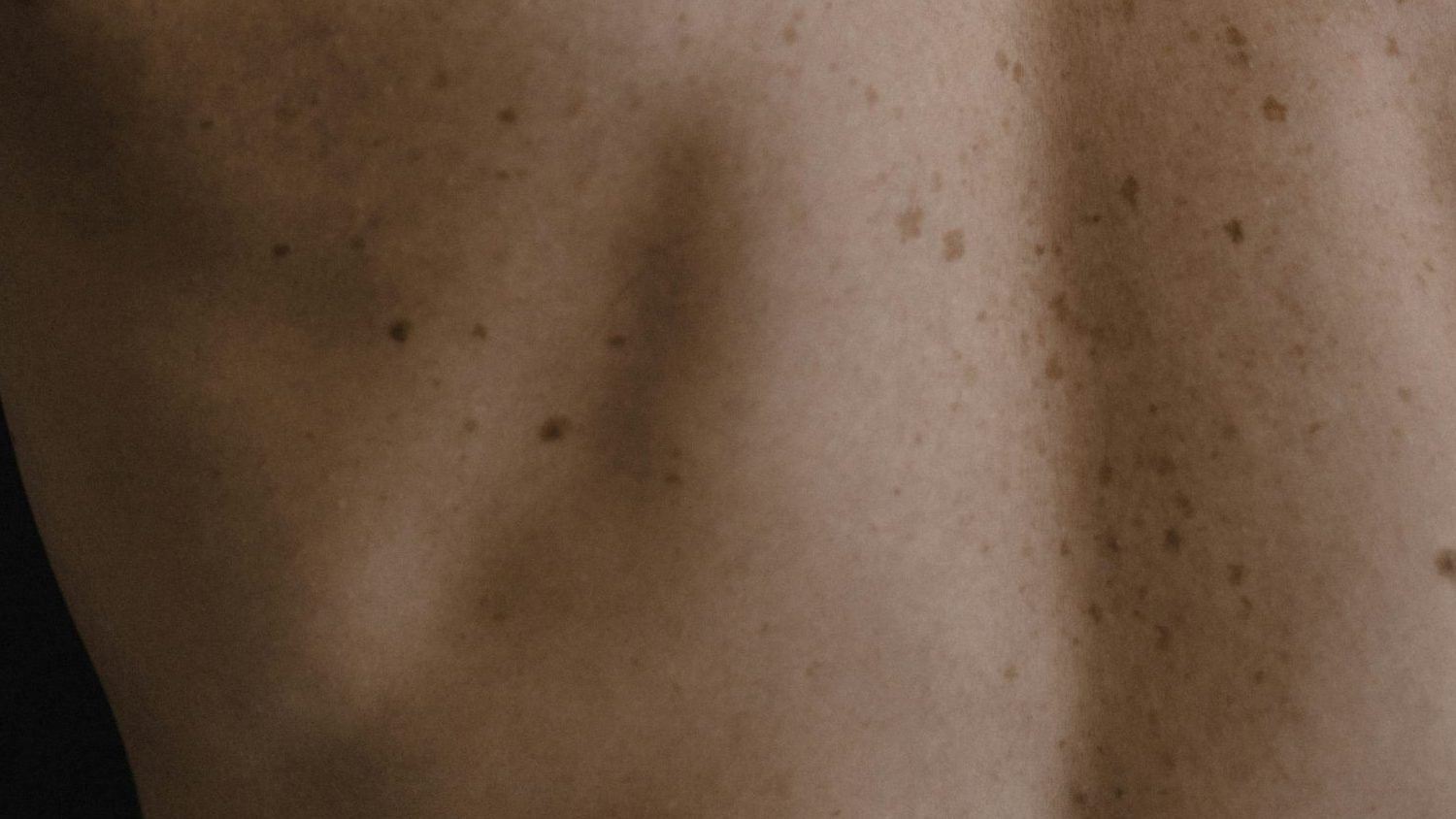
CryoPen Skin Tag & Lesion Removal Gravesend, Kent
CryoPen Treatment: Skin Tags, Seborrhoeic Keratoses and Other Skin Lesions
Skin tags, raised growths and rough patches are common reasons people seek advice about their skin.
Although many lesions are harmless, different skin conditions can look surprisingly similar.
At Sculpture Clinic in Gravesend, Kent, we believe that understanding what a lesion is should always come before deciding how to treat it.
For suitable lesions, CryoPen offers a targeted cryotherapy approach that may avoid the need for surgical removal.
However, not every skin lesion should be frozen, and some require specialist investigation.

What Is CryoPen?
CryoPen is a precision cryotherapy device designed to deliver controlled freezing to a targeted area of skin.
Cryotherapy works by exposing tissue to very low temperatures, producing cellular injury that causes the treated lesion to break down.
Over the following days or weeks, the treated tissue may form a crust and gradually separate as the area heals.
The exact response depends on lesion type, size, depth, location and treatment technique.
CryoPen for Skin Tags
Skin tags, also called acrochordons, are soft, benign skin growths.
They commonly develop around the neck, armpits, groin and other areas where skin folds or friction occur.
Skin tags are generally harmless but may become irritated by jewellery, clothing or shaving.
Cryotherapy may be suitable for selected small skin tags after clinical confirmation of the diagnosis.
Larger or broad-based lesions may be better treated using another removal technique.
CryoPen for Seborrhoeic Keratoses
Seborrhoeic keratoses are common benign skin growths that become more frequent with age.
They often have a waxy, rough or stuck-on appearance.
Their colour can range from light brown to almost black.
Although they are benign, some seborrhoeic keratoses can resemble melanoma or other skin cancers.
This is why appropriate examination is important before treatment.
Where the diagnosis is secure and treatment is appropriate, cryotherapy may be considered.
What Is Actinic Keratosis?
Actinic keratosis, sometimes called solar keratosis, is a skin condition associated with long-term ultraviolet exposure.
It commonly appears as a rough, scaly patch on sun-exposed areas such as the face, scalp, ears and hands.
Actinic keratoses are clinically important because they reflect ultraviolet damage and some can progress to squamous cell carcinoma.
They are not simply cosmetic blemishes.
Treatment options may include cryotherapy, topical medicines or other approaches, depending on the number, location and characteristics of the lesions.
Cryotherapy may be appropriate for selected isolated actinic keratoses following clinical assessment.
Thickened, tender, ulcerated, bleeding or diagnostically uncertain lesions may require biopsy or specialist referral rather than immediate freezing.
Can CryoPen Remove Moles?
This is an important distinction.
Although some patients ask whether a mole can be frozen off, cryotherapy is generally not an appropriate method for removing melanocytic moles.
Destroying a pigmented lesion may prevent the tissue from being examined under a microscope.
This can delay or complicate the diagnosis of skin cancer.
A mole that is changing, irregular or otherwise suspicious should be assessed through an appropriate medical pathway.
Where removal is clinically indicated, surgical excision with histological examination may be necessary.
At Sculpture Clinic, patient safety and accurate diagnosis take priority over convenience.
Why We Assess Lesions Before Treatment
Not every raised or pigmented lesion is a skin tag or seborrhoeic keratosis.
Basal cell carcinoma, squamous cell carcinoma and melanoma may sometimes resemble benign growths.
Clinical examination, dermoscopy where appropriate, and specialist advice can help determine the next step.
CryoPen treatment should only proceed when the lesion has been adequately assessed and is suitable for destructive treatment.
What Happens During CryoPen Treatment?
Following assessment and consent, the treatment area is prepared.
The clinician applies targeted freezing to the selected lesion using the device according to its approved protocol.
Patients may experience a brief stinging or burning sensation.
Following treatment, the area may become red, swollen or temporarily darker.
A blister or crust may develop before the skin heals.
The healing period varies according to the treated site and depth of freezing.
Some lesions require more than one treatment.
Are There Any Risks?
Cryotherapy is generally well tolerated when used appropriately, but complications can occur.
These include:
- Pain and blistering.
- Temporary redness and swelling.
- Infection.
- Scarring.
- Incomplete lesion clearance.
- Hypopigmentation or hyperpigmentation.
- Damage to surrounding tissue.
Pigmentary changes are particularly relevant in darker skin tones.
Patients should receive appropriate aftercare advice and understand when to seek further assessment.
Why Diagnosis Matters More Than Removal
A successful skin lesion service is not simply about removing a visible growth.
It is about determining whether removal is appropriate in the first place.
Some lesions can be treated safely in a clinic setting.
Others require monitoring, prescription treatment, biopsy or referral to a dermatologist.
Our approach is to make that distinction before proceeding.
CryoPen Consultation in Gravesend
If you have a skin tag, raised growth or rough skin lesion, the first step is an appropriate assessment.
Contact Sculpture Clinic in Gravesend to discuss CryoPen suitability and whether your skin concern requires further dermatological investigation.
Frequently Asked Questions
Does CryoPen hurt?
Patients may experience brief discomfort, stinging or burning during freezing.
Can CryoPen remove seborrhoeic keratoses?
Yes, selected seborrhoeic keratoses may be suitable once the diagnosis has been established.
Can CryoPen treat actinic keratoses?
Cryotherapy is an established treatment option for selected actinic keratoses, but these lesions require appropriate medical assessment.
Can I have a mole frozen off?
Cryotherapy is generally inappropriate for melanocytic moles, particularly if there is any diagnostic uncertainty.
Will CryoPen leave a scar?
Scarring and pigmentary changes are possible, although the risk varies according to lesion type, treatment depth and individual skin characteristics.
References
National Institute for Health and Care Excellence (NICE) (2015) Suspected cancer: recognition and referral. NG12. Available at: https://www.nice.org.uk/guidance/ng12
British Association of Dermatologists (n.d.) Patient information leaflets: actinic keratoses, seborrhoeic keratoses and cryotherapy. Available at: https://www.bad.org.uk/pils/
National Health Service (NHS) (n.d.) Skin tags. Available at: https://www.nhs.uk/conditions/skin-tags/


