


- HOME
- Expert Guides
- Dermatology & Skin Conditions Gravesend | Sculpture Clinic
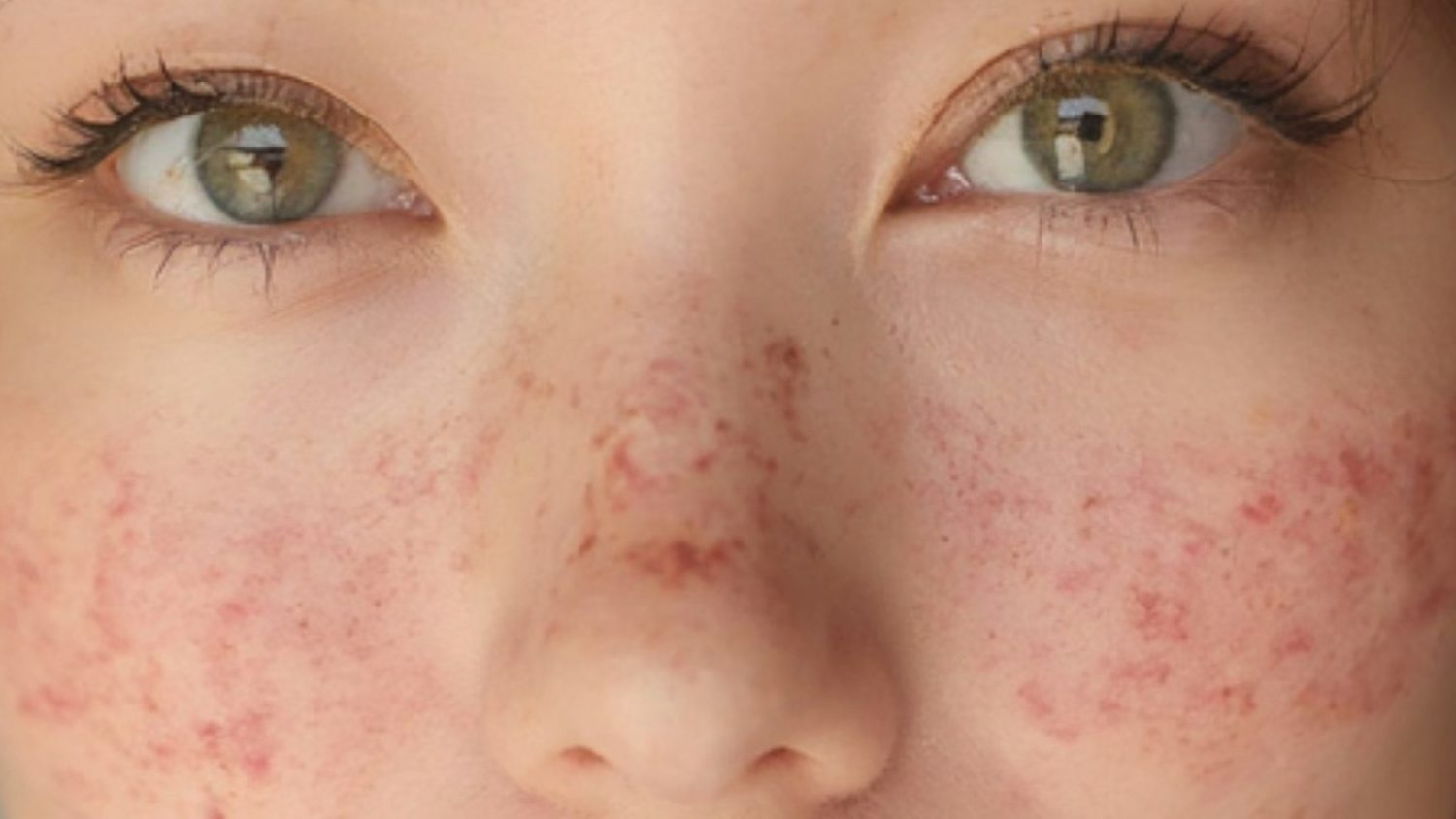
Dermatology & Skin Conditions Gravesend | Sculpture Clinic
Dermatology and Skin Conditions: Why Accurate Diagnosis Is the First Step to Healthier Skin
Skin concerns are not always cosmetic.
A persistent rash, changing mole, unusual growth or recurring acne breakout may be a sign of an underlying dermatological condition requiring medical assessment.
At Sculpture Clinic in Gravesend, Kent, our approach brings together clinical skin assessment, access to dermatologist advice, advanced imaging and personalised treatment planning.
We believe the most effective treatment begins with understanding the skin rather than simply treating what is visible on its surface.

Understanding the Difference Between Skin Conditions and Cosmetic Concerns
Skin conditions can affect the structure, function and appearance of the skin.
Some, such as acne, eczema and psoriasis, involve inflammation.
Others, including seborrhoeic keratoses and skin tags, are commonly benign growths.
Pigmented lesions and persistent non-healing areas may require investigation to exclude skin cancer.
Cosmetic concerns such as wrinkles, visible pores and uneven texture may coexist with medical skin conditions.
Distinguishing between these issues is important because they require different approaches.
A procedure designed to improve skin appearance should never delay necessary medical treatment.
Our Dermatology Assessment Approach
An effective skin consultation involves more than a brief visual inspection.
Depending on the concern, assessment may include:
- Medical and dermatological history.
- Current symptoms and their duration.
- Previous treatments and responses.
- Medication review.
- Examination of the affected skin.
- Dermoscopy where appropriate.
- Consideration of specialist dermatology advice.
- An agreed management or referral plan.
Some conditions can be managed conservatively.
Others may require prescription medication, further investigation or referral.
The objective is to recommend the most appropriate next step rather than assume that every concern needs a procedure.
What Is a Dermatoscope?
A dermatoscope is a specialised magnifying instrument used to examine structures within the skin.
It combines magnification with illumination to reveal details that may not be readily visible during an ordinary examination.
This is particularly useful when assessing pigmented lesions, vascular structures and certain benign or suspicious growths.
Dermoscopy can help a suitably trained clinician distinguish between different lesion patterns.
However, it does not replace biopsy or histological examination when these are required.
Why Is Dermoscopy Important?
Some skin lesions appear similar to the naked eye despite having different underlying causes.
For example, a dark seborrhoeic keratosis may resemble a melanocytic lesion.
A persistent pink or pearly growth could represent a benign condition or a form of skin cancer.
Dermoscopy can provide additional diagnostic information that helps guide management.
If findings are suspicious or uncertain, specialist assessment and appropriate referral are essential.
Access to Dermatologist Advice
Some skin concerns require expertise beyond routine aesthetic assessment.
Our dermatology service provides a pathway for obtaining specialist input where appropriate.
A dermatologist may advise on diagnosis, prescription treatment, monitoring, biopsy or referral for further management.
This is particularly important for persistent inflammatory conditions, unusual lesions and treatment-resistant skin concerns.
The precise consultation and referral arrangements are explained when patients contact the clinic.
Common Skin Conditions We Can Help Assess
Adult Acne
Acne can continue well beyond adolescence and may involve inflammatory lesions, blocked follicles, hormonal influences and post-inflammatory pigmentation.
Management may include appropriate skincare, prescription treatment and specialist referral where necessary.
Our personalised SkinRx approach can support acne management by addressing associated concerns such as sensitivity, pigmentation and barrier health.
Skin Tags
Skin tags are common benign growths that often develop in areas of friction.
Where clinically appropriate, selected skin tags may be suitable for CryoPen cryotherapy.
Seborrhoeic Keratoses
These benign lesions commonly appear as waxy or rough growths.
Although harmless, they can sometimes resemble other skin conditions.
Assessment is important before considering removal.
Actinic Keratoses
Actinic keratoses are associated with cumulative ultraviolet exposure.
They require medical assessment because some may progress to squamous cell carcinoma.
Selected lesions may be suitable for cryotherapy, while others require topical treatment, biopsy or specialist management.
Pigmentation Concerns
Pigmentation may develop following inflammation, ultraviolet exposure or hormonal changes.
Treatment depends on the cause.
Our VISIA and SkinRx approach can support personalised management of suitable pigmentation concerns, but suspicious pigmented lesions require medical assessment.
Scarring and Skin Texture
Scars may develop following acne, injury or previous inflammation.
Selected patients may benefit from treatments designed to improve skin texture and appearance.
NeoGen plasma may be considered for suitable remodelling concerns following assessment, although it is not a replacement for established medical treatments.
The Role of VISIA Skin Analysis
VISIA provides detailed facial imaging that can help assess visible pigmentation, texture, pores, wrinkles and redness.
This information can support personalised treatment planning and provide a baseline for monitoring changes.
However, VISIA is not a diagnostic device for skin cancer or inflammatory dermatological disease.
It complements, rather than replaces, clinical assessment.
Combining Medical Dermatology With Personalised Skin Treatments
One advantage of an integrated skin clinic is the ability to consider both medical and aesthetic concerns.
For example, a patient may present with persistent acne, post-inflammatory pigmentation and early scarring.
The initial priority is controlling active acne through appropriate medical management.
Once inflammation is controlled, treatment may focus on pigmentation and scar-related concerns.
A personalised programme could include medical-grade skincare, selected professional treatments and longer-term monitoring.
The sequence matters because treating the wrong concern at the wrong time may increase irritation or delay improvement.
Why We Do Not Treat Every Skin Lesion Immediately
Patients sometimes attend a clinic expecting a growth or mark to be removed during their first appointment.
However, immediate removal is not always appropriate.
A lesion may need further assessment before treatment can be recommended safely.
Suspicious lesions should not be destroyed using cryotherapy or energy-based devices simply because they are small or cosmetically inconvenient.
Where cancer is suspected, the appropriate diagnostic and referral pathway takes priority.
A Personalised Approach to Long-Term Skin Health
Skin health changes with age, hormonal influences, environmental exposure and medical conditions.
A treatment that is appropriate today may need adjustment in the future.
Our approach therefore considers both the immediate concern and the longer-term health of the skin.
This may involve regular review, suitable skincare, appropriate sun protection and specialist advice where required.
Dermatology and Skin Consultations in Gravesend, Kent
Whether you are concerned about a changing lesion, persistent adult acne, pigmentation or an established scar, understanding the condition is the first step.
At Sculpture Clinic, we aim to help patients make informed decisions about their skin through assessment, appropriate treatment planning and access to specialist advice.
Contact Sculpture Clinic in Gravesend to discuss your skin concern and arrange an appropriate consultation.
Frequently Asked Questions
Do I need a dermatologist or a skin consultation?
This depends on the concern. Some issues can be assessed during an initial clinical consultation, while others require direct specialist dermatology input.
Can a dermatoscope detect skin cancer?
Dermoscopy can identify features that raise suspicion of skin cancer, but definitive diagnosis may require histopathology.
Can you remove skin tags and seborrhoeic keratoses?
Selected benign lesions may be suitable for CryoPen following appropriate assessment.
Can you help with adult acne?
Adult acne management may involve clinical assessment, evidence-based medication, personalised skincare and referral when indicated.
Can NeoGen treat medical skin conditions?
NeoGen may be considered for selected scar and texture-related concerns. It is not a substitute for diagnosis or established treatment of skin disease.
References
National Institute for Health and Care Excellence (NICE) (2015) Suspected cancer: recognition and referral. NG12. Available at: https://www.nice.org.uk/guidance/ng12
National Institute for Health and Care Excellence (NICE) (2022) Melanoma: assessment and management. NG14. Available at: https://www.nice.org.uk/guidance/ng14
National Institute for Health and Care Excellence (NICE) (2026) Acne vulgaris: management. NG198. Available at: https://www.nice.org.uk/guidance/ng198
British Association of Dermatologists (n.d.) Patient information leaflets. Available at: https://www.bad.org.uk/pils/


