


- HOME
- Expert Guides
- Enlarged Pores and Oily Skin: Causes and Science
Enlarged Pores and Oily Skin: Causes and Science
Enlarged Pores, Sebum and Skin Texture: Understanding the Science
Visible pores are among the most common skin concerns discussed during dermatological consultations.
Although pores are a normal part of skin anatomy, their appearance can vary considerably between individuals and across different areas of the face.
Understanding why pores become more noticeable is essential before considering ways of managing their appearance.
What are facial pores?
The openings commonly described as pores are associated with pilosebaceous units, which contain hair follicles and sebaceous glands.
Sebaceous glands produce sebum, a lipid-rich substance that contributes to the skin’s surface environment.
Sebum production is influenced by hormonal activity, genetics and other physiological factors.
Why do some pores appear larger?
Several factors influence pore visibility.
Increased sebum production can make follicular openings more noticeable, particularly around the nose, forehead and cheeks.
Age-related changes in collagen and skin elasticity may also affect the appearance of the tissue surrounding pores.
Photodamage, acne and previous inflammation can further influence skin texture.
Importantly, pores do not literally open and close in response to skincare products.
What does the research say about injectable approaches?
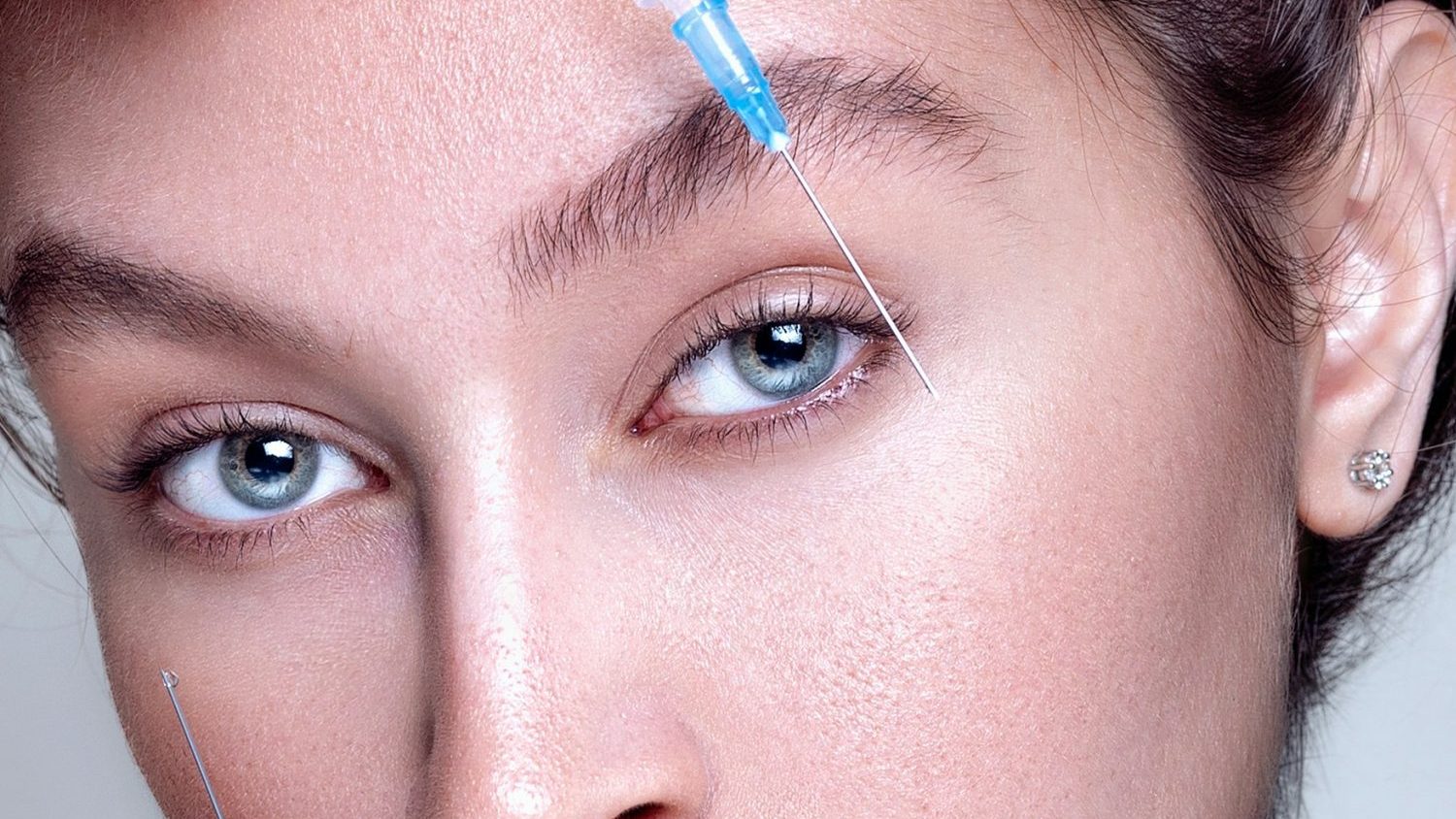
Researchers have investigated whether certain prescription-only neuromuscular medicines might influence sebum production or superficial skin characteristics.
Small studies have explored intradermal techniques and reported changes in selected skin measurements.
However, research methods, study populations and outcome measures vary considerably.
Evidence remains insufficient to establish these approaches as routine first-line management for enlarged pores or oily skin.
Potential adverse effects, including unintended muscular weakness and asymmetry, must also be considered.

What established approaches can improve pore appearance?
The most appropriate approach depends on the underlying cause.
For oily or acne-prone skin, topical retinoids and other evidence-based skincare ingredients may help manage comedones and improve skin texture.
Salicylic acid can support the management of follicular congestion, while consistent photoprotection helps limit ultraviolet-related damage.
Selected patients may benefit from professionally supervised procedures designed to address skin texture or photodamage.
No treatment can permanently eliminate normal pores.
Why is skin imaging useful?
Standardised facial photography and skin analysis can help document changes in visible texture, pigmentation and other skin characteristics.
However, imaging measurements should be interpreted alongside clinical examination, as lighting, hydration and other variables can affect apparent pore visibility.
Final thoughts
Pore visibility reflects a combination of sebaceous activity, genetics, skin structure and ageing.
Understanding these factors helps distinguish realistic improvements in skin appearance from claims that exceed the available scientific evidence.
References
- Lee, S.J. et al. (2016) ‘Facial pores: Definition, causes, and treatment options’, Dermatologic Surgery, 42(3), pp. 277–285.
- Zaenglein, A.L. et al. (2016) ‘Guidelines of care for the management of acne vulgaris’, Journal of the American Academy of Dermatology, 74(5), pp. 945–973.


