


- HOME
- Expert Guides
- Itchy, flaky or greasy scalp: finding the right starting point
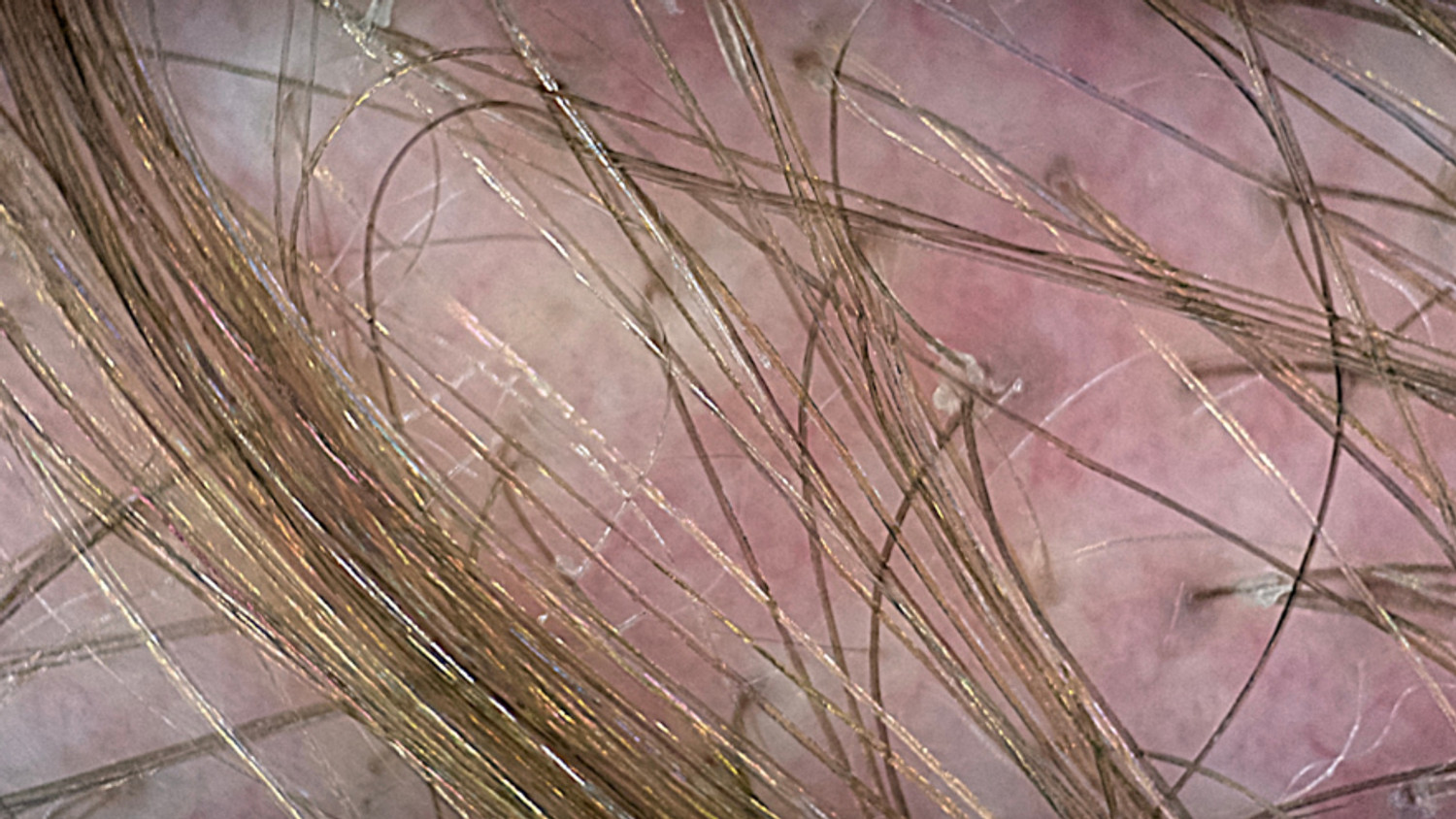
Itchy, flaky or greasy scalp: finding the right starting point
If your scalp feels greasy soon after washing, flakes keep returning or products leave it stinging, repeatedly changing shampoo can become frustrating.
Scalp care begins with understanding the symptoms. At Sculpture Clinic in Gravesend, we review your concerns, examine the scalp and discuss whether treatment, changes to your routine or further medical assessment are needed.

Is every flaky scalp dandruff?
No. NHS guidance lists several possible causes of scalp flaking or irritation, including seborrhoeic dermatitis, eczema, contact dermatitis and fungal infection (NHS, n.d.b).
These conditions can resemble one another in some respects, but the treatment may differ. Describing your scalp as “dry” or “greasy” does not establish a diagnosis.
Greasiness and inflammation can occur together
Seborrhoeic dermatitis affects areas rich in oil glands, including the scalp. It can cause itching, inflammation and scaling; it is not simply a hygiene problem (British Association of Dermatologists, n.d.).
Scrubbing harder or adding more products may therefore miss the underlying issue. Your assessment should consider what is happening to the skin as well as how the hair feels.
What will we ask about?
Useful details include when the symptoms began, whether they come and go, and which products you apply. Tell us about hair dyes, fragranced products, scalp oils and any recent change to your routine.
Mention soreness, broken hairs, patches of loss or symptoms elsewhere on the skin. Photographs taken during a flare can help explain a problem that is quieter on the day of your appointment.
What about hair shedding?
Scalp symptoms and hair loss may occur together without having the same cause. We assess both rather than assuming that treating the flakes will solve every hair concern.
If there is a separate concern about thinning, a documented hair assessment may be useful. Genetic testing does not diagnose dandruff, eczema or a scalp infection.
[Explore HairMetrix scalp analysis](/hairmetrix-scalp-analysis/).
What can you do while awaiting advice?
Keep a record of the products you use and how your scalp responds. Avoid introducing several new products at once, and follow the instructions on any medicated shampoo.
If a product appears to trigger irritation, stop using it and seek advice. NHS guidance recommends seeing a GP for severe dandruff, a very itchy scalp, redness or swelling, or symptoms that persist despite a month of anti-dandruff shampoo (NHS, n.d.b).
When is prompt assessment important?
Painful or rapidly worsening symptoms, sores, pustules or new patches of hair loss deserve medical review. Persistent problems should not be covered up by repeated cosmetic treatments.
A suitable plan may involve a medicated product, a simpler care routine or referral. The recommendation follows the assessment.
Arrange a scalp consultation in Gravesend
Contact Sculpture Clinic to discuss persistent scalp symptoms and associated hair concerns.
Common question: should I have a DNA test first?
Usually the immediate question is the cause of the scalp symptoms. TrichoDNA does not replace examining the skin or investigating a suspected scalp disease.
References
NHS (n.d.b) Dandruff. Available at: https://www.nhs.uk/conditions/dandruff/ (Accessed: 12 October 2026).
British Association of Dermatologists (n.d.) Seborrhoeic dermatitis. Available at: https://www.bad.org.uk/pils/seborrhoeic-dermatitis (Accessed: 12 October 2026).


