


- HOME
- Expert Guides
- Mole Checks & Dermoscopy in Gravesend | Sculpture Clinic
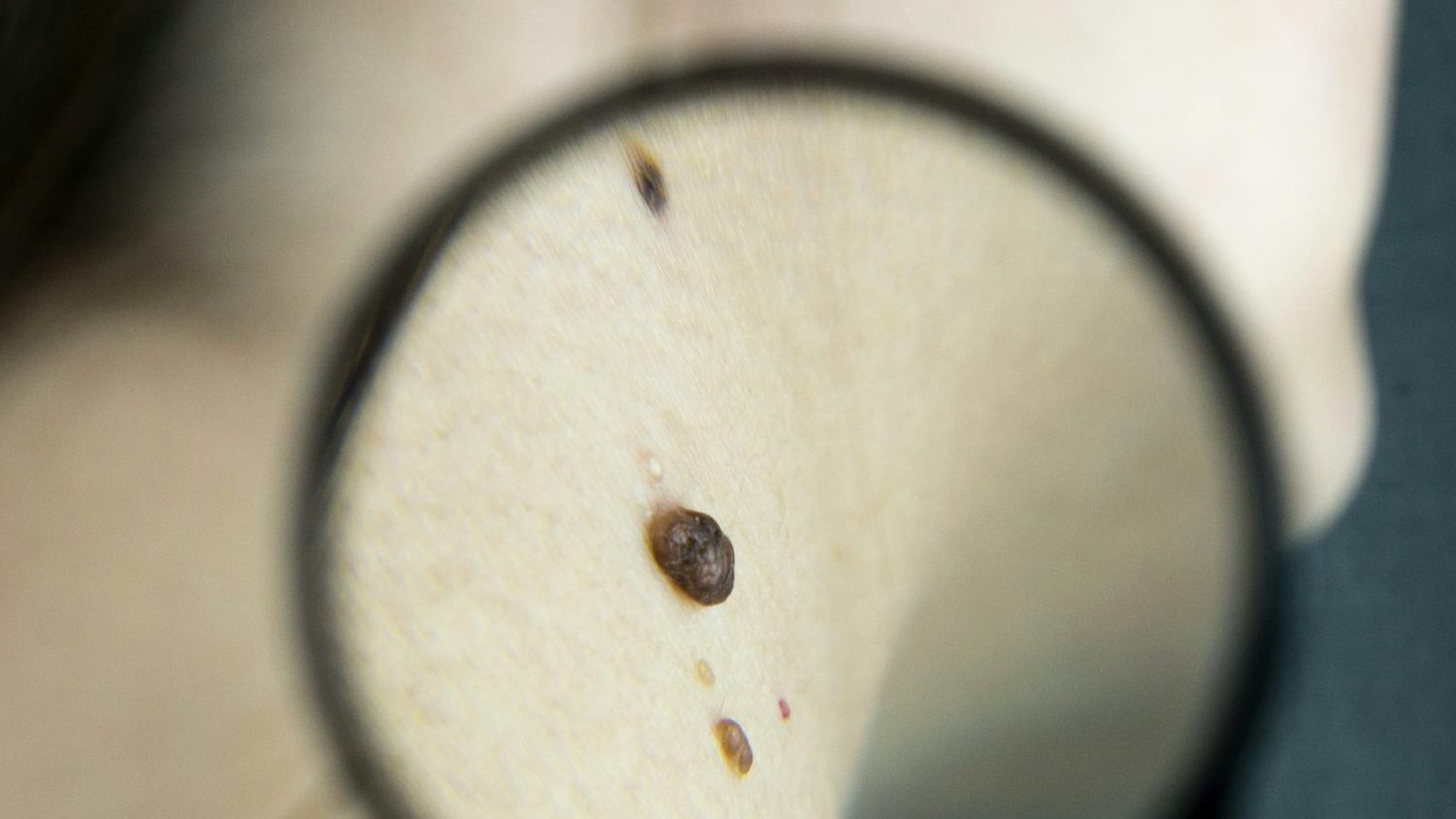
Mole Checks & Dermoscopy in Gravesend | Sculpture Clinic
Mole Checks and Dermoscopy: Why Understanding Your Skin Matters
Most of us have moles, freckles or other marks on our skin. Many remain unchanged throughout our lives and cause no concern. However, when a mole changes in size, shape, colour or appearance, it is important to understand why.
At Sculpture Clinic in Gravesend, Kent, we believe that identifying a skin concern accurately is the first step towards appropriate care. Our dermatology assessment pathway incorporates clinical examination, dermoscopy where appropriate, and access to specialist dermatology advice.

What Is a Mole?
A mole, medically known as a melanocytic naevus, is a collection of pigment-producing cells called melanocytes.
Moles can be present from birth or develop throughout childhood and adulthood. They may be flat, raised, light brown, dark brown or occasionally skin-coloured.
Most are benign. However, a changing mole may require further investigation to exclude melanoma or another form of skin cancer.
Importantly, not every suspicious skin lesion is dark or pigmented. Some skin cancers appear pink, red, pearly or skin-coloured.
What Is Dermoscopy?
Dermoscopy is a non-invasive examination technique that allows a trained healthcare professional to examine structures within the skin that cannot be appreciated easily with the naked eye.
A dermatoscope combines magnification with specialised lighting, often using polarised illumination, to reduce surface reflections.
This helps reveal:
- Pigment patterns and distribution.
- Vascular structures.
- Surface and subsurface features.
- Characteristics associated with benign lesions.
- Features that may raise suspicion of skin cancer.
Dermoscopy can improve diagnostic accuracy when performed by appropriately trained clinicians. It does not, however, provide a definitive diagnosis in every case.
The ABCDE Warning Signs of Melanoma
A useful way to monitor pigmented skin lesions is the ABCDE approach.
A – Asymmetry: One half of a mole looks different from the other.
B – Border: The edges become irregular, blurred or uneven.
C – Colour: The mole contains several colours or develops an unusual colour pattern.
D – Diameter: Melanomas may be larger than 6 mm, although smaller lesions can also be malignant.
E – Evolving: The mole changes in size, shape, colour, sensation or appearance.
Of these features, evolution is particularly important.
Other warning signs include a lesion that bleeds without an obvious cause, fails to heal, becomes persistently crusted or looks noticeably different from other moles.
Why Should You Avoid Removing an Unassessed Mole?
It can be tempting to remove a raised mole because it catches on clothing or causes cosmetic concern.
However, destroying a pigmented lesion without establishing an appropriate diagnosis can remove important clinical information.
If a lesion is suspicious, specialist assessment and possible biopsy or excision may be necessary. Tissue examination by histopathology is often essential to establish the diagnosis.
Cryotherapy, laser treatment or other destructive procedures should not be used simply to remove an undiagnosed suspicious mole.
What Happens During a Dermatology Assessment?
A consultation may include a discussion of when the lesion appeared, whether it has changed, relevant personal or family history, sun exposure and a direct skin examination.
Where appropriate, dermoscopy may be used to examine the lesion more closely.
The findings help determine whether reassurance, monitoring, further assessment or referral is appropriate.
If there is concern about melanoma or another skin cancer, prompt referral through the appropriate NHS or specialist pathway is essential.
Protecting Your Skin
Ultraviolet radiation is an important modifiable risk factor for skin cancer.
Practical prevention includes avoiding sunburn, seeking shade during periods of intense sunlight, wearing protective clothing and using broad-spectrum sunscreen with an appropriate SPF.
Regular familiarity with your own skin is equally valuable.
Check areas that are often overlooked, including the scalp, back, soles of the feet and between the toes.
When Should You Seek Advice?
Seek prompt medical assessment if you notice a new or changing mole, an unusual pigmented lesion, unexplained bleeding or a sore that does not heal.
Do not delay assessment while trying cosmetic products or home-removal treatments.
Dermatology Support in Gravesend, Kent
At Sculpture Clinic, we recognise that skin health begins with an accurate understanding of the concern.
Our clinical assessment and specialist dermatology pathways are designed to help patients make informed decisions about their skin.
Concerned about a mole or changing skin lesion? Contact Sculpture Clinic in Gravesend to discuss the most appropriate assessment or referral pathway.
Frequently Asked Questions
Can a dermatoscope diagnose melanoma?
Dermoscopy helps trained clinicians identify suspicious features, but it cannot reliably exclude melanoma in every case. Histopathology may be required.
Can I have a mole frozen off?
A suspicious or undiagnosed pigmented mole should not be treated with cryotherapy. Appropriate clinical assessment is required first.
Should I be worried about a new mole?
Not every new mole is dangerous, but new or changing lesions in adulthood deserve attention, particularly if they have unusual features.
Does skin cancer only affect fair skin?
No. Skin cancer can affect every skin tone. Although risk varies, suspicious lesions should be assessed regardless of ethnicity or skin colour.
References
National Institute for Health and Care Excellence (NICE) (2015, updated 2023) Suspected cancer: recognition and referral. NG12. Available at: https://www.nice.org.uk/guidance/ng12
National Institute for Health and Care Excellence (NICE) (2015, updated 2022) Melanoma: assessment and management. NG14. Available at: https://www.nice.org.uk/guidance/ng14
British Association of Dermatologists (n.d.) Patient information leaflets. Available at: https://www.bad.org.uk/pils/


