


- HOME
- Expert Guides
- Skin & Hair Supplements: The Science Explained
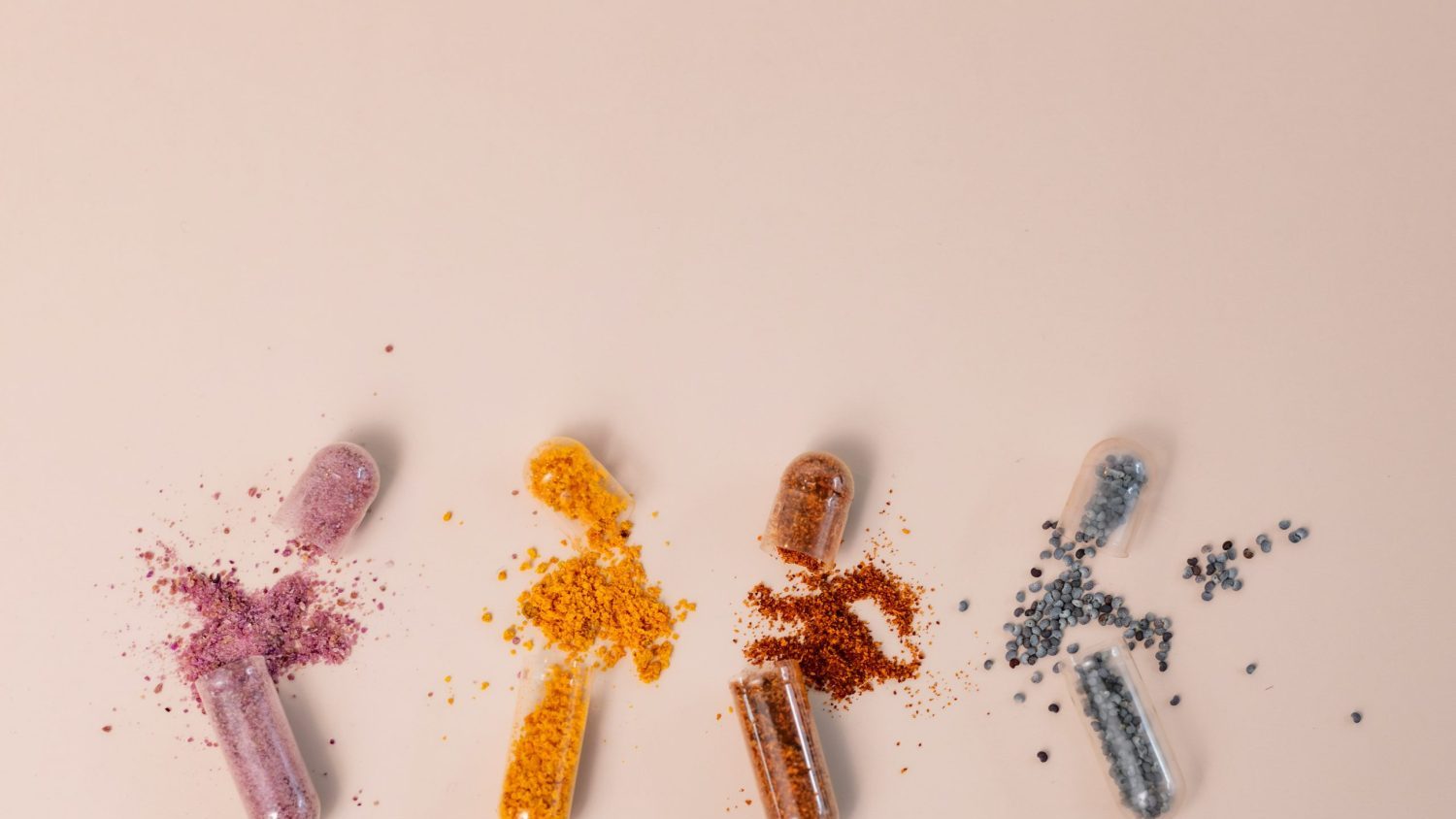
Skin & Hair Supplements: The Science Explained
Skin & Hair Supplements: What Does the Science Really Say?
Healthy skin and hair depend on more than the products we apply externally. Both are living biological systems influenced by nutrition, hormones, genetics, ageing, inflammation and general health.
At Sculpture Clinic, we believe that understanding these influences is an important part of developing a personalised treatment plan.
However, with so many supplements promising stronger hair, younger-looking skin and improved cellular health, how do we distinguish scientific evidence from marketing?
Why nutrition matters for skin and hair
Skin is the body’s largest organ. It requires a continuous supply of nutrients to maintain its protective barrier, support normal tissue repair and produce structural proteins such as collagen.
Hair follicles are similarly active structures. During the anagen, or growth, phase, cells within the follicle divide rapidly to produce the developing hair shaft.
This activity depends on adequate energy, protein and micronutrient availability.
When nutritional intake becomes insufficient, the body may prioritise essential physiological functions over hair production. Significant dietary restriction, rapid weight loss and certain deficiencies can therefore contribute to increased hair shedding.
Which nutrients are particularly important?
Several nutrients have established physiological roles in maintaining normal skin and hair.
Protein: Hair is composed predominantly of keratin, a structural protein. Inadequate protein intake can affect hair production, particularly during periods of significant weight loss or illness.
Iron: Iron deficiency is an important consideration in people presenting with diffuse hair shedding, particularly where dietary intake is inadequate or menstrual blood loss is substantial.
Zinc: Zinc contributes to the maintenance of normal hair and skin. Deficiency may be associated with hair and skin abnormalities.
Biotin: Biotin contributes to the maintenance of normal hair and skin, although true deficiency is uncommon. There is limited evidence that high-dose biotin improves hair growth in people who are not deficient.
Vitamin C: Vitamin C contributes to normal collagen formation for the normal function of skin and helps protect cells from oxidative stress.
Vitamin D: Vitamin D has several physiological functions, including roles in normal immune function. Low vitamin D levels have been associated with some hair loss conditions, although supplementation does not necessarily reverse hair loss.
Can taking more vitamins improve results?
Not necessarily.
One of the most important principles of nutritional medicine is that correcting a deficiency is different from supplementing someone whose nutritional status is already adequate.
Excessive supplementation may provide no additional benefit and can sometimes cause harm.
For example, excessive vitamin A or selenium intake can itself contribute to hair loss.
A systematic review by Guo and Katta (2017) highlighted the importance of identifying nutritional deficiencies rather than routinely recommending supplements to everyone experiencing hair loss.
Why personalised assessment matters
Two people experiencing similar hair shedding may have completely different underlying causes.
One may have iron deficiency following dietary restriction. Another may have androgenetic alopecia driven primarily by genetic and hormonal influences.
Giving both individuals the same supplement without understanding the cause is unlikely to be the most effective approach.
At Sculpture Clinic, we consider medical history, nutrition, lifestyle, medications and the nature of the skin or hair concern before discussing suitable interventions.
Where appropriate, laboratory investigations or specialist hair assessments may help guide management.
Where do supplements fit into treatment?
Supplements are best considered one component of a broader treatment strategy.
For skin concerns, this may include medical-grade skincare, appropriate sun protection and procedures such as HydraFacial, NeoGen Plasma or other clinician-selected treatments.
For hair concerns, supplementation may be considered alongside scalp assessment, diagnostic investigations and evidence-based hair loss treatments.
Products such as Élevé, TrichoRx24 and other specialist formulations can be discussed where relevant, but suitability depends on their ingredients, the individual’s needs and the evidence supporting their use.
The Sculpture Clinic approach
We believe that successful treatment begins with understanding the individual rather than selecting a product.
Our approach brings together clinical assessment, appropriate nutritional advice and personalised skin or hair treatment planning.
The objective is not to recommend the greatest number of supplements. It is to identify what may genuinely be useful.
Book a personalised consultation
If you are concerned about hair shedding, skin quality or whether supplementation is appropriate for you, our team can help assess your individual circumstances.
Discover a more informed approach to skin and hair health at Sculpture Clinic.
References
Guo, E.L. and Katta, R. (2017) ‘Diet and hair loss: effects of nutrient deficiency and supplement use’, Dermatology Practical & Conceptual, 7(1), pp. 1–10. https://doi.org/10.5826/dpc.0701a01
Drake, L. et al. (2023) ‘Evaluation of the safety and effectiveness of nutritional supplements for treating hair loss: a systematic review’, JAMA Dermatology, 159(1), pp. 79–86. https://pubmed.ncbi.nlm.nih.gov/36449274/


