


- HOME
- Expert Guides
- What Is a HydraFacial? Benefits, Results and What to Expect
What Is a HydraFacial? Benefits, Results and What to Expect
If your skin feels dull, congested, dehydrated or simply in need of a reset, you may have come across HydraFacial. But what is a HydraFacial, how does it work, and is it actually different from a conventional facial?
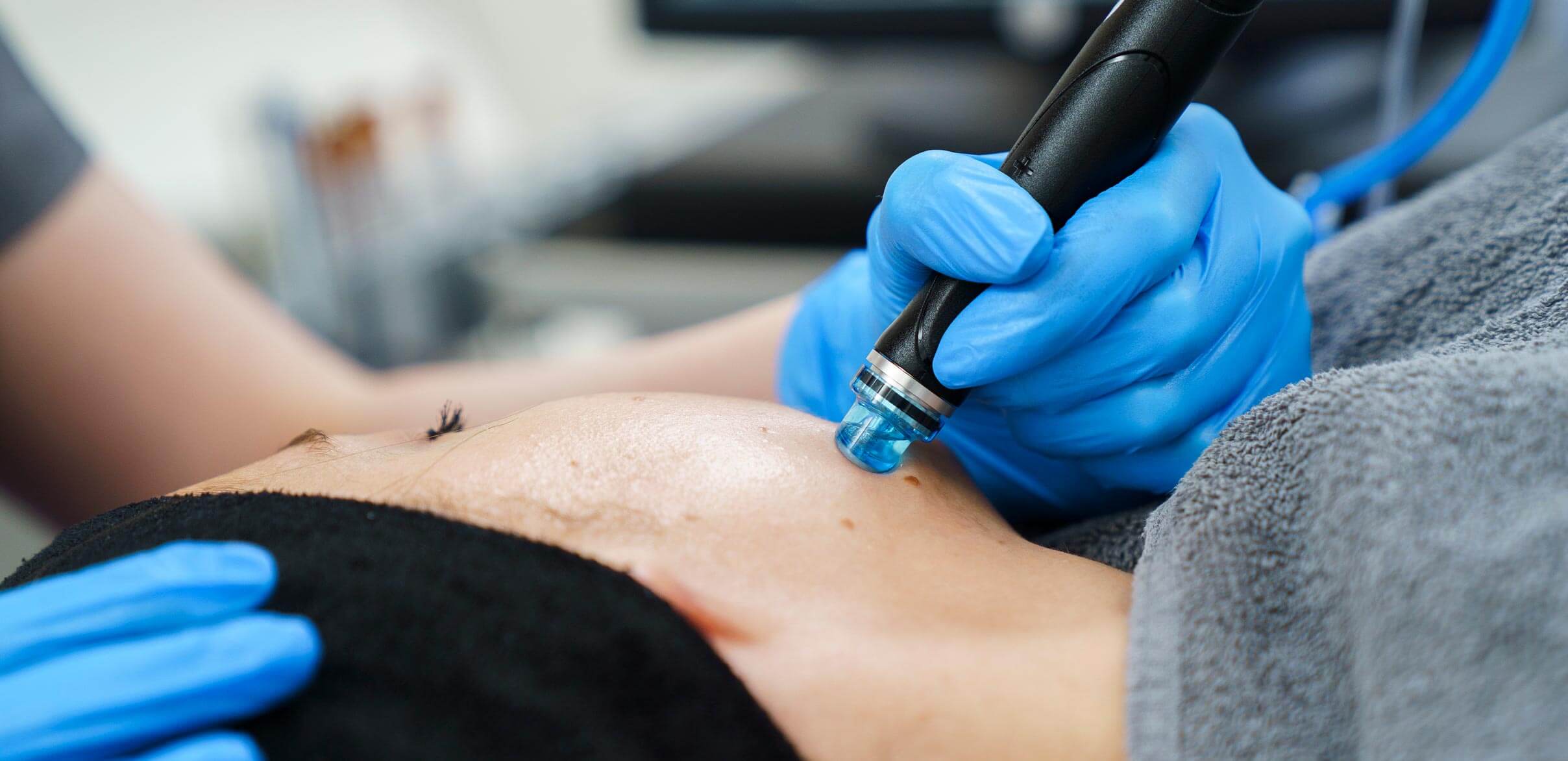
HydraFacial is a non-invasive, multi-step facial treatment designed to cleanse, exfoliate, extract impurities and hydrate the skin within a single treatment. Rather than relying on manual extraction or aggressive exfoliation, the HydraFacial system uses patented vortex technology to treat the skin while delivering hydrating skincare ingredients.
At Sculpture Clinic in Gravesend, Kent, we take a more personalised approach. Rather than viewing HydraFacial as simply a facial, we can use VISIA digital skin analysis to better understand your skin and tailor your treatment according to what it actually needs.

What Does a HydraFacial Do?
HydraFacial combines several elements of a professional facial into one treatment.
Depending on the treatment selected and your individual skin requirements, this can include:
- deep cleansing
- exfoliation of the skin’s surface
- removal of congestion and impurities
- gentle extraction
- hydration
- delivery of targeted serums
- support for overall skin texture and appearance
This combination makes HydraFacial particularly useful for people who want their skin to appear cleaner, smoother, brighter and more hydrated without significant downtime.
How Does a HydraFacial Work?
One of the main differences between HydraFacial and a traditional facial is the technology used.
The HydraFacial handpiece creates a controlled vortex effect across the surface of the skin. Specially designed tips are used during different stages of the treatment to cleanse and exfoliate the skin, loosen debris from pores and deliver hydrating solutions.
Step 1: Cleanse and Exfoliate
The treatment begins by cleansing the skin and removing accumulated surface debris and dead skin cells.
Controlled exfoliation helps reveal fresher skin beneath and prepares the skin for the subsequent stages of treatment.
Step 2: Gentle Peel
A controlled exfoliating solution may then be applied to help loosen dead skin cells and congestion.
Unlike stronger chemical peels, this stage is designed to complement the HydraFacial treatment rather than produce significant visible peeling.
Step 3: Extraction
HydraFacial uses vortex suction to help remove debris from congested pores.
For many patients, this is one of the most appealing parts of the treatment because extraction can be performed without the more aggressive squeezing associated with traditional manual extraction.
Step 4: Hydration
Hydrating solutions are delivered directly onto the freshly cleansed skin.
This helps replenish moisture and contributes to the smooth, hydrated appearance commonly associated with HydraFacial immediately after treatment.
Step 5: Personalisation
Your treatment does not necessarily need to stop with the standard HydraFacial steps.
Depending on your skin assessment and treatment goals, HydraFacial can form part of a wider personalised skin programme.
At Sculpture Clinic, our objective is not simply to perform the same facial on every patient. We want to understand why your skin is behaving the way it is and determine which treatments are most appropriate.
What Skin Concerns Can HydraFacial Help With?
HydraFacial can be considered for a wide range of common skin concerns, including:
- dull or tired-looking skin
- dehydration
- rough or uneven skin texture
- congestion
- visible pores
- excess surface oil
- superficial blackheads and impurities
- general skin maintenance
It can also be useful before an event when you want the skin to look refreshed without planning around substantial recovery time.
However, not every concern should be treated with HydraFacial alone. Pigmentation, acne, scarring, significant photoageing, redness and skin laxity may require a more targeted treatment plan.
This is where skin analysis and consultation become particularly important.
Why We Use VISIA Skin Analysis
Looking at your skin in a mirror only tells us part of the story.
At Sculpture Clinic, we have invested in VISIA skin analysis technology to provide a more detailed assessment of the skin.
VISIA can help assess characteristics such as:
- spots
- wrinkles
- texture
- pores
- UV-related changes
- brown spots
- red areas
- porphyrins associated with bacterial activity within pores.
This information can help us identify areas that may not be immediately obvious during a conventional visual examination.
Rather than choosing a facial simply because it is popular, we can use your consultation and skin analysis to decide whether HydraFacial is appropriate and how it may fit within your overall treatment plan.
HydraFacial vs a Traditional Facial: What’s the Difference?
A traditional facial can be an enjoyable way to cleanse, exfoliate and hydrate the skin, but much of the result depends on the products and manual techniques being used.
HydraFacial provides a more standardised technology-led method of cleansing, exfoliation, extraction and hydration.
The important distinction at Sculpture Clinic, however, is personalisation.
We are increasingly focused on evidence-informed, technology-led skin treatments rather than offering treatments in isolation. HydraFacial may therefore be used as a standalone treatment or as one stage within a longer-term skin programme.
Does a HydraFacial Hurt?
HydraFacial is generally considered a comfortable treatment.
Most people describe the sensation as gentle suction or movement across the skin rather than pain. The treatment does not normally require anaesthetic.
Skin can occasionally appear mildly pink immediately afterwards, particularly if it is naturally sensitive, but significant downtime would not usually be expected following a routine HydraFacial.
Is There Any Downtime After HydraFacial?
One of the advantages of HydraFacial is its minimal downtime.
Many patients can return to their normal activities immediately following treatment.
Your skin may look fresher and more hydrated shortly afterwards, although individual responses vary.
We will provide appropriate aftercare based on your skin and the treatment performed. Daily broad-spectrum sun protection remains an important part of maintaining skin health and protecting the results of any professional skin treatment.
How Often Should You Have a HydraFacial?
There is no single schedule that is appropriate for everyone.
Some people choose HydraFacial periodically as part of their regular skin maintenance, while others may benefit from a planned course before moving onto maintenance treatments.
Frequency should depend on your skin condition, concerns, home skincare routine and wider treatment plan.
At Sculpture Clinic, we prefer to determine this after assessing your skin rather than automatically recommending monthly treatments to everyone.
Can HydraFacial Be Combined With Other Skin Treatments?
Potentially, yes.
HydraFacial can be incorporated into a broader skin programme alongside other treatments available at Sculpture Clinic.
For example, it may have a role in preparing and maintaining skin around more advanced treatments such as NeoGen nitrogen plasma, where appropriate.
The timing and combination of treatments matter. More treatment does not automatically mean better results, and procedures should be appropriately spaced according to the skin, treatment intensity and intended outcome.
This is another reason we recommend beginning with a consultation and skin assessment.
Who Is HydraFacial Suitable For?
HydraFacial can be suitable for many skin types, including people looking for a relatively gentle treatment with minimal interruption to their normal routine.
However, suitability should still be assessed individually.
Active skin conditions, infection, significant inflammation or certain medical circumstances may mean treatment should be modified or postponed. Your practitioner will discuss relevant medical history, medications and current skincare before proceeding.
HydraFacial in Gravesend, Kent
Sculpture Clinic is based in Gravesend, Kent, providing advanced skin and hair treatments for patients throughout Kent and surrounding areas.
Our location also makes the clinic accessible for patients travelling from London and Essex.
Our approach is increasingly centred around one principle: understand the skin first, then treat it.
By combining professional consultation, VISIA skin analysis and treatments such as HydraFacial and NeoGen nitrogen plasma, we can develop a programme based on your individual skin rather than following a generic treatment menu.
Book a HydraFacial Consultation at Sculpture Clinic
If you are considering HydraFacial but are unsure whether it is the right treatment for your skin, the best place to begin is with an assessment.
We can evaluate your skin, discuss your concerns and treatment goals, and recommend an appropriate personalised plan.
Book your consultation and skin analysis at Sculpture Clinic in Gravesend to discover what your skin actually needs.


